Why Home Insurance Matters
Your home is likely the single largest investment you'll ever make. Home insurance protects that investment against unexpected events — fire, storm damage, theft, liability, and more. Whether you live in a region prone to hurricanes, tornadoes, wildfires, winter storms, or earthquakes, having the right coverage isn't optional — it's essential.
Beyond protecting your structure, homeowners insurance covers your personal belongings, provides liability coverage, and pays for temporary housing if your home becomes uninhabitable after a covered loss. And despite what many people think, quality coverage is often surprisingly affordable.
How Much Home Insurance Do You Need?
The most important number in your homeowners policy is your dwelling coverage limit — the amount it would cost to fully rebuild your home from the ground up. This is often different from your home's market value or purchase price.
- Insure your home for its full replacement cost, not its market value
- Account for regional construction costs, which have risen sharply in recent years
- Make sure personal property limits cover your furniture, electronics, and valuables
- Carry enough liability coverage to protect your assets — typically $300,000 minimum
- Consider an umbrella policy if your net worth exceeds standard liability limits
What Standard Home Insurance Covers — and Doesn't
Typically covered under a standard HO-3 policy: fire and smoke damage, windstorm and hail, lightning strikes, theft and vandalism, water damage from burst pipes (not flooding), liability if someone is injured on your property, and additional living expenses if you're displaced.
Not covered by standard policies: flood damage, earthquake damage, normal wear and tear, sewer and drain backup (without a rider), and high-value items above standard limits.
Homeowners near coastlines, rivers, or in flood-prone areas should strongly consider a separate flood insurance policy through the NFIP or a private insurer — standard policies never cover rising water. Sewer backup riders are also highly recommended given aging stormwater infrastructure in many parts of the country.
Regional Considerations for Home Insurance
Every region has its own risks. Coastal homeowners face hurricanes and storm surge. The Midwest deals with tornadoes, hail, and severe thunderstorms. The Northeast and Great Lakes see heavy winter storms and ice dams. The West contends with wildfires and earthquakes. The Southeast gets hurricanes and flooding. A knowledgeable licensed agent can tailor your coverage to the specific risks in your area.
Most states do not require homeowners insurance by law, but virtually all mortgage lenders require it. Regardless of whether you have a mortgage, protecting your home's value and your financial security makes coverage essential for any property owner.
How to Save on Home Insurance
Shopping around is the most effective way to save. Beyond comparing rates, homeowners can reduce their premiums by bundling home and auto policies (saving 15–25%), installing security systems, maintaining a claims-free history, and upgrading their roof. New construction homes also qualify for significant discounts due to updated building standards.
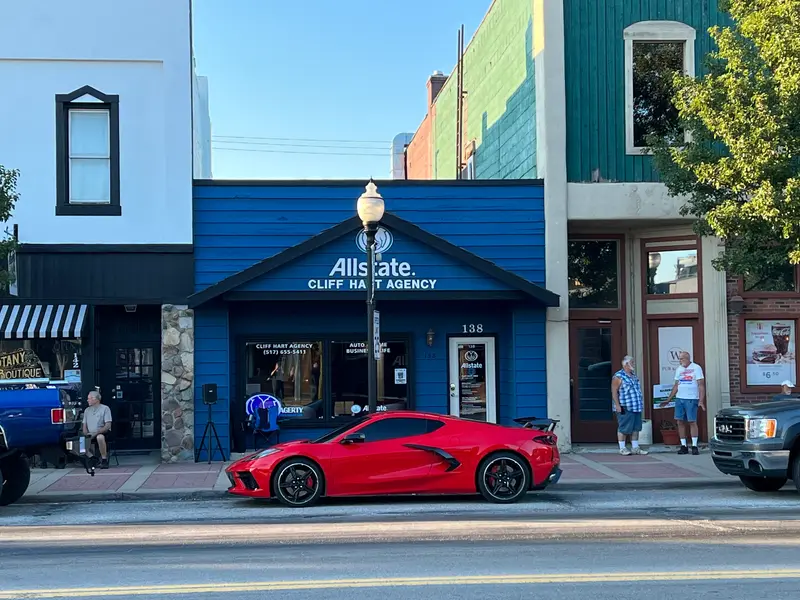
A licensed agent at Hart Insurance can help you calculate the right coverage amount and find every available discount — ensuring you're getting the best protection at the best price.